
Our Services
We provide comprehensive evaluation and management of structural heart disease using advanced, minimally invasive, catheter-based therapies. All patients are evaluated in the context of a multidisciplinary heart team approach, integrating imaging, clinical risk assessment, and guideline-directed decision-making to deliver individualized care.
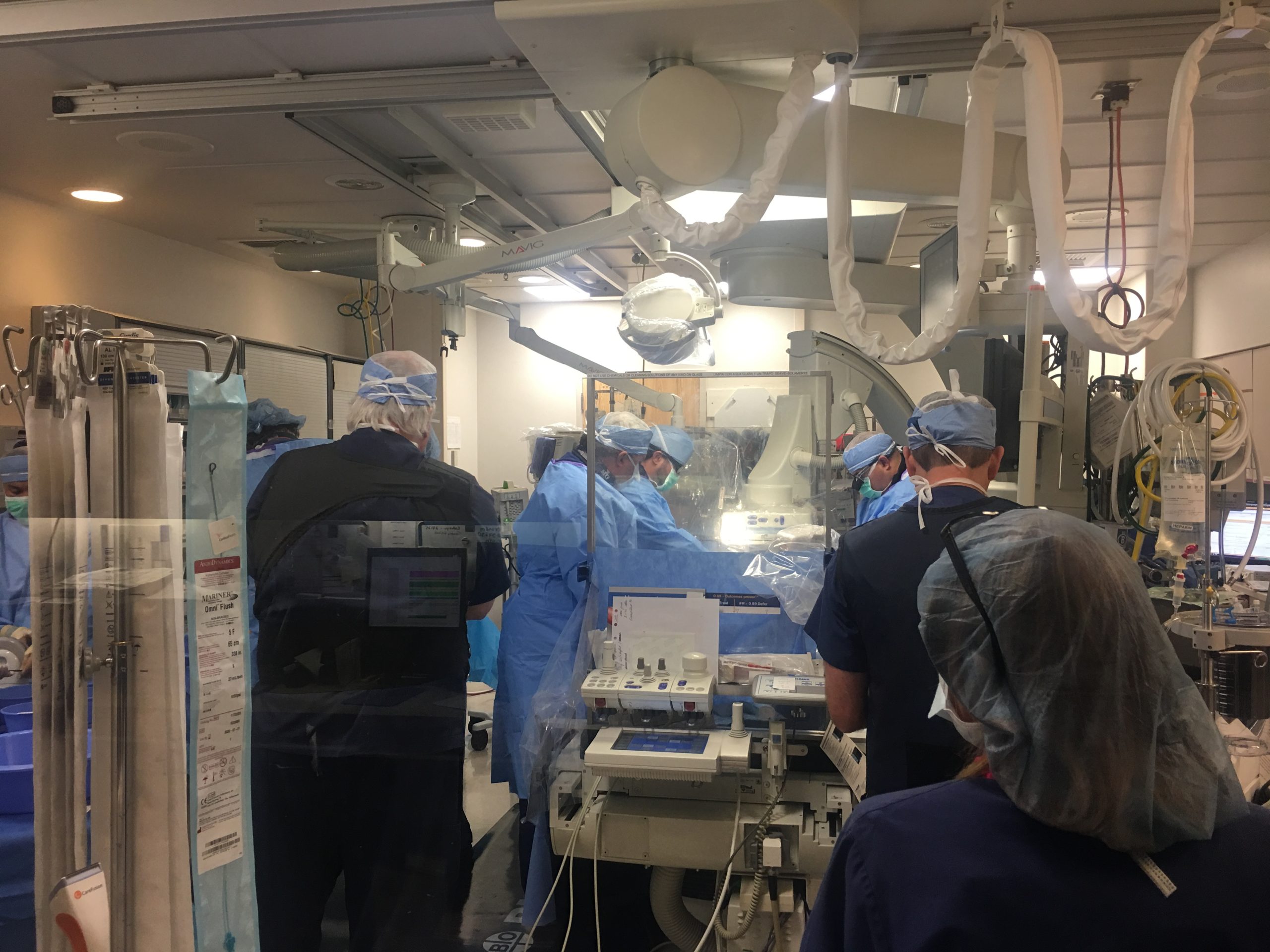
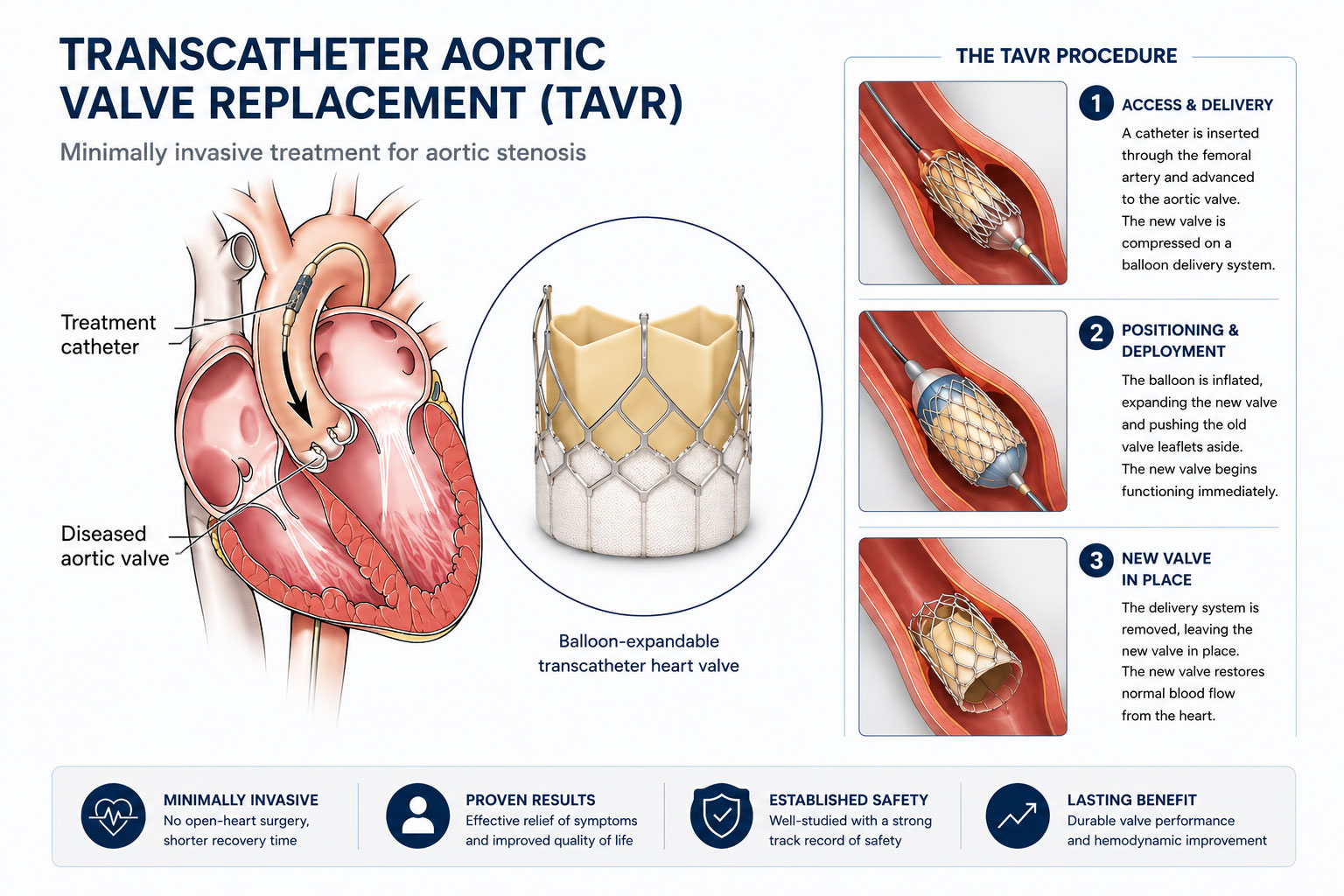
Transcatheter Aortic Valve Therapies
Transcatheter Aortic Valve Replacement (TAVR/TAVI)
Balloon-expandable and self-expanding platforms
Guideline-supported therapy for severe aortic stenosis across a wide range of surgical risk profiles
Valve-in-Valve TAVR
For degenerated surgical bioprosthetic valves
Minimally invasive alternative to repeat open-heart surgery in appropriately selected patients
Balloon Aortic Valvuloplasty (BAV)
Bridge to TAVR or surgical valve replacement (SAVR)
Palliative option in select high-risk patients with symptomatic severe aortic stenosis
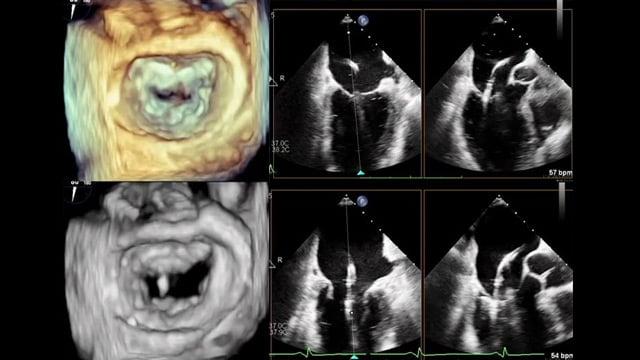
Transcatheter Mitral Valve Therapies
Transcatheter Edge-to-Edge Repair (TEER)
MitraClip, PASCAL
Effective therapy for primary and secondary mitral regurgitation in patients at elevated surgical risk
Improves symptoms, functional capacity, and quality of life in appropriately selected patients
Percutaneous Balloon Mitral Valvuloplasty (PBMV)
Established therapy for rheumatic mitral stenosis with favorable valve anatomy
Provides symptomatic relief and improved hemodynamics without surgical intervention
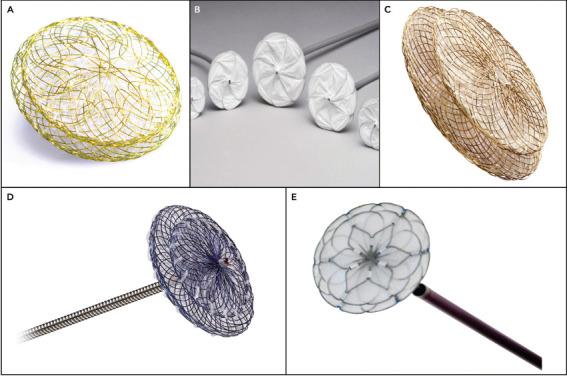
Atrial Septal & Shunt Closure
Patent Foramen Ovale (PFO) Closure
Stroke risk reduction in carefully selected patients with cryptogenic stroke
Performed following multidisciplinary evaluation and neurologic collaboration
Atrial Septal Defect (ASD) Closure
Treatment of hemodynamically significant interatrial shunts
Prevents right heart enlargement, arrhythmias, and long-term complications
Ventricular Septal Defect (VSD) Closure
Congenital or post-myocardial infarction (selected cases)
Minimally invasive closure in patients who are not optimal surgical candidates
Paravalvular Leak (PVL) Closure
Mitral, aortic, tricuspid
Treatment of leaks around prior prosthetic valves
Reduces heart failure symptoms and hemolysis
Tricuspid Valve Interventions
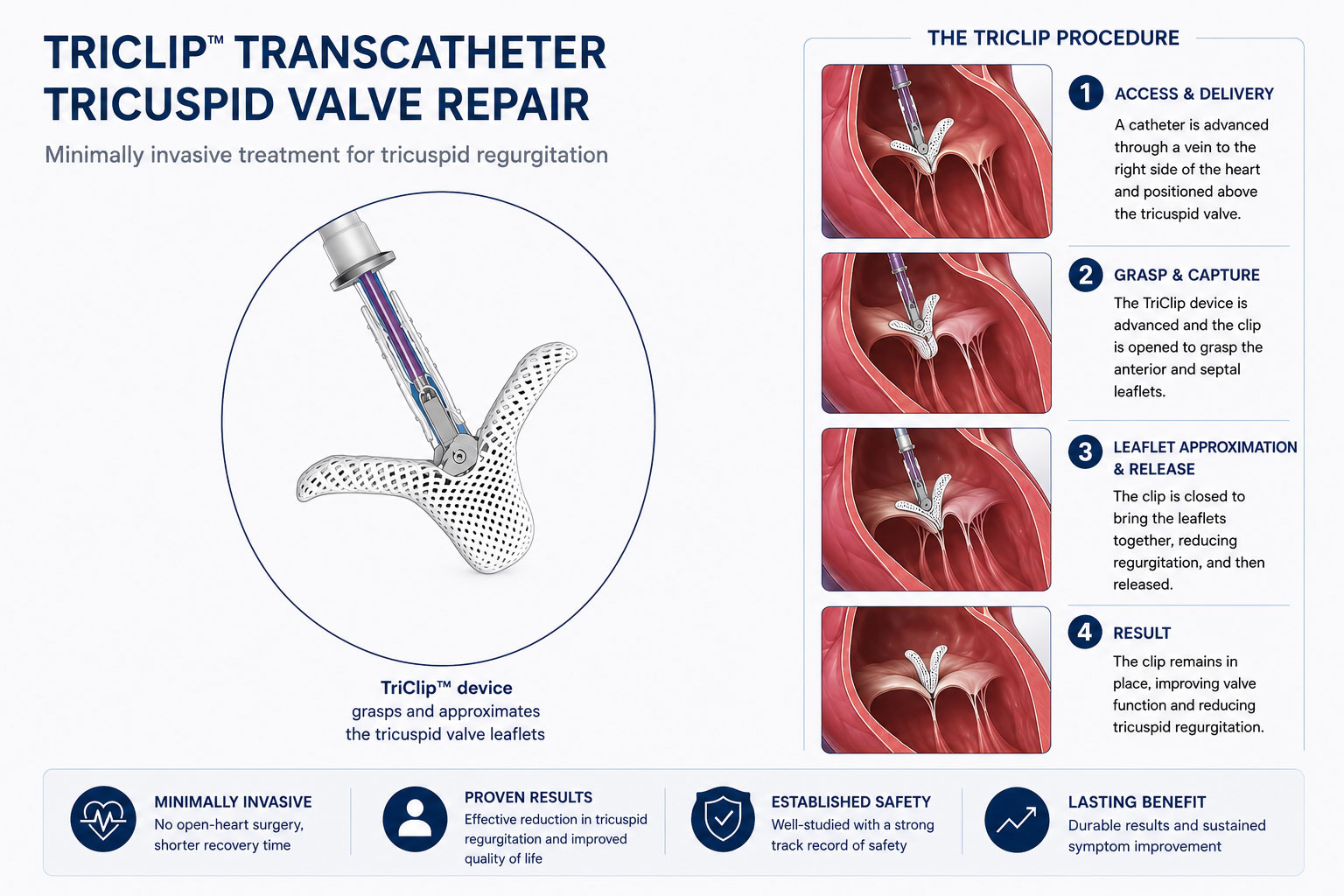
Transcatheter Tricuspid Edge-to-Edge Repair (T-TEER)
TriClip, PASCAL
Transcatheter Tricuspid Valve Replacement (TTVR)
Emerging technology
Left Atrial Appendage & Stroke Prevention
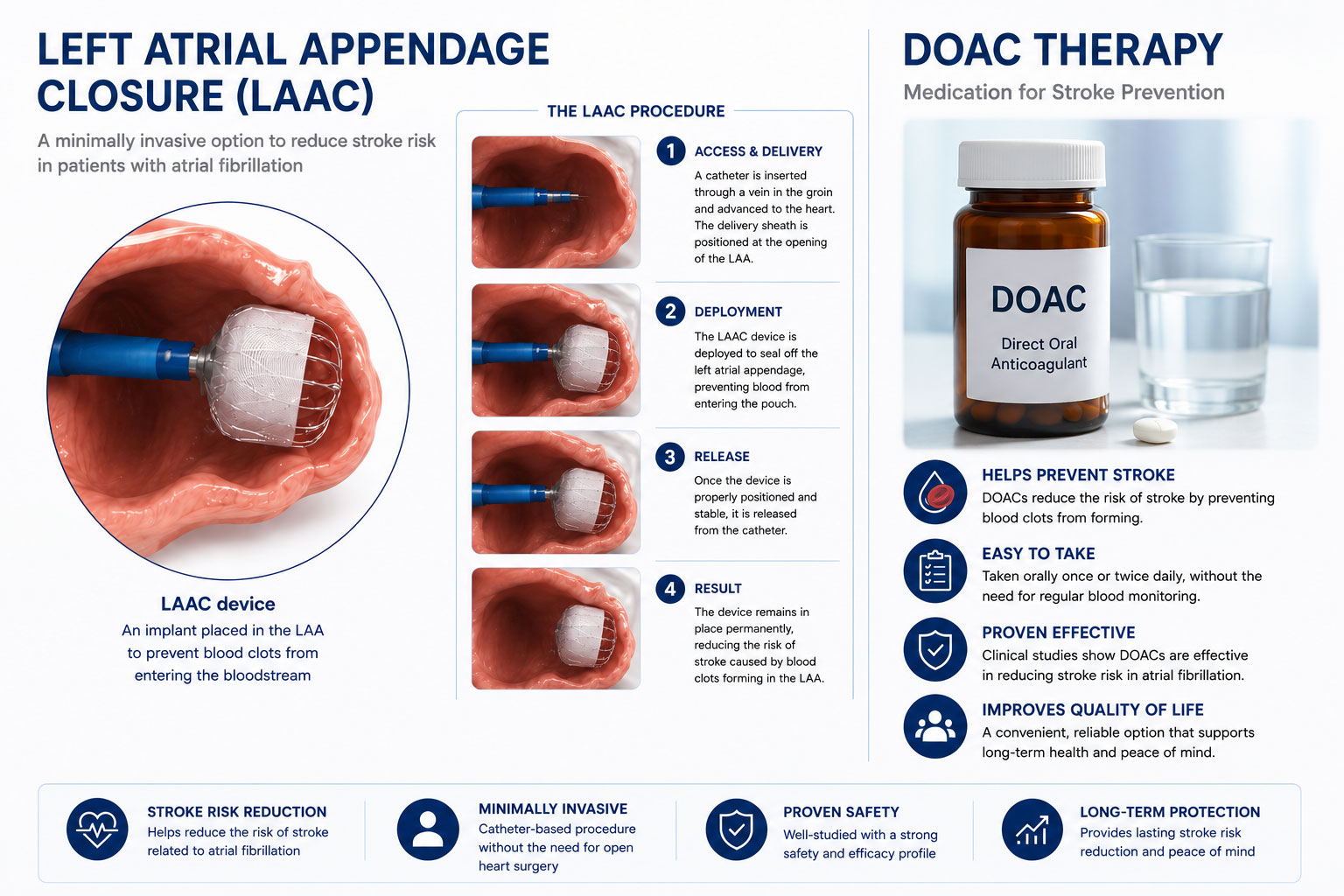
Left Atrial Appendage Occlusion (LAAO)
Watchman FLX
Stroke risk reduction in patients with atrial fibrillation who are not ideal candidates for long-term anticoagulation
Alternative to chronic oral anticoagulation in appropriately selected patients
Our Approach
- Multidisciplinary heart team model including interventional cardiology, cardiac imaging, and cardiothoracic surgery
- Care delivered in collaboration with accredited regional structural heart centers
- Emphasis on minimally invasive therapies, patient selection, and long-term outcomes
- Continuity of care from initial evaluation through post-procedural follow-up and longitudinal management
Frequently Asked Questions
What is TAVR and who qualifies for it?
Transcatheter aortic valve replacement (TAVR) is a minimally invasive procedure used to treat severe aortic stenosis. According to ACC/AHA guidelines, TAVR is appropriate for patients with symptomatic severe aortic stenosis across a range of surgical risk profiles. Patient selection is individualized based on age, anatomy, comorbidities, and heart team evaluation.
What is MitraClip (TEER) and when is it used?
Transcatheter edge-to-edge repair (TEER), commonly performed with devices such as MitraClip or PASCAL, is used to treat mitral regurgitation in patients who are not optimal candidates for surgery. It is guideline-supported for both primary and secondary mitral regurgitation in appropriately selected patients and can improve symptoms and reduce heart failure hospitalizations.
What is a Watchman device?
The Watchman device is used for left atrial appendage occlusion (LAAO). This procedure reduces stroke risk in patients with atrial fibrillation who are not ideal candidates for long-term anticoagulation. ACC/AHA guidelines support LAAO in carefully selected patients after shared decision-making.
What is a valve-in-valve procedure?
A valve-in-valve procedure is a minimally invasive treatment for patients with a failing surgical bioprosthetic valve. A new transcatheter valve is implanted within the existing valve, avoiding the need for repeat open-heart surgery in many cases.
What is PFO closure and who should consider it?
Patent foramen ovale (PFO) closure is a catheter-based procedure used to reduce the risk of recurrent stroke in select patients with cryptogenic stroke. It is recommended after careful evaluation and exclusion of other stroke causes, typically in collaboration with neurology.
What is tricuspid valve repair without surgery?
Transcatheter tricuspid valve repair (T-TEER) is a minimally invasive option for treating severe tricuspid regurgitation in patients at high surgical risk. Emerging therapies have shown improvement in symptoms and quality of life in appropriately selected patients.
Are structural heart procedures safer than surgery?
For many patients, transcatheter therapies offer a less invasive alternative to surgery with shorter recovery times. However, the best treatment depends on individual factors such as age, anatomy, and overall health. ACC/AHA guidelines emphasize shared decision-making through a multidisciplinary heart team.
How are patients evaluated for structural heart procedures?
Evaluation typically includes advanced imaging such as echocardiography and cardiac CT, along with clinical assessment and sometimes invasive hemodynamics. Cases are often reviewed by a heart team to determine the most appropriate treatment strategy.
Take Control of Your Heart Health Today – Request Appointment

Early detection and personalized care are key to maintaining a healthy heart. Speak with a board-certified cardiologist and receive expert care tailored to your heart’s needs.
Request Appointment

Have any Questions?
Send Us A Message

Call Us
(949) 770-6252
What Our Patients Say
BEEN Seeing Dr. MASTERS for over 40 years. I trust him with my life. He’s honest & forthright, cares, & really listens & communicates! And he’s a good friend as well as my cardiologist. So it doesn’t get any better than that in this age of slam bam thank you mam medicine.
– Dan
Dr. John Nader Bahadorani is an exceptional doctor! His professionalism, compassion, and expertise make him a standout in his field. I highly recommend him to anyone seeking top-notch care. His dedication to his patients is truly impressive.
– Khatereh