
Our Services
At South Orange County Cardiology Group, we focus on preventing cardiovascular disease before it becomes clinically apparent. Our prevention and lipid management program is designed to identify risk early, personalize therapy, and reduce the likelihood of heart attack, stroke, and other cardiovascular events.

Comprehensive Cardiovascular Risk Assessment
We perform an in-depth evaluation that goes beyond routine cholesterol testing, including:
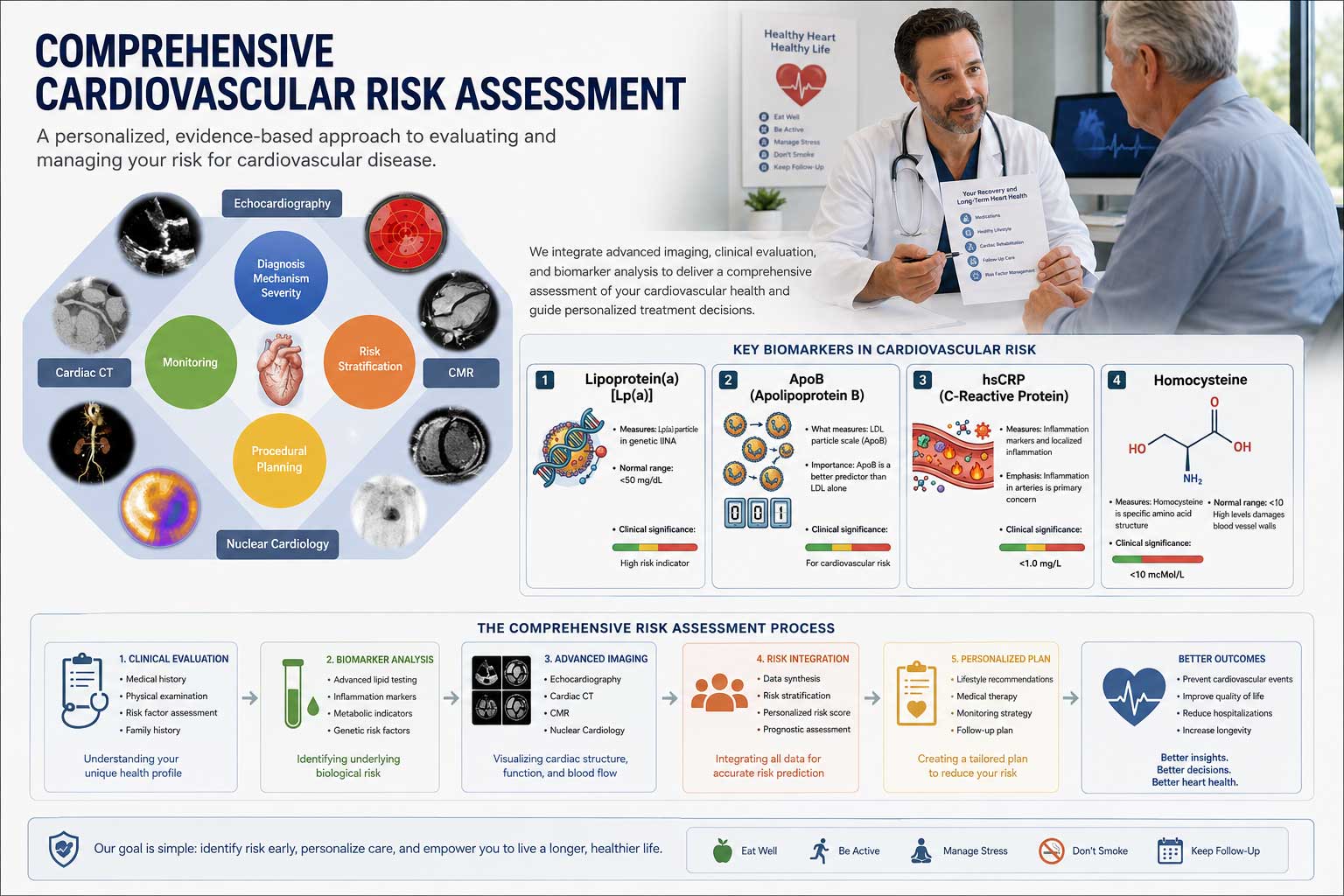
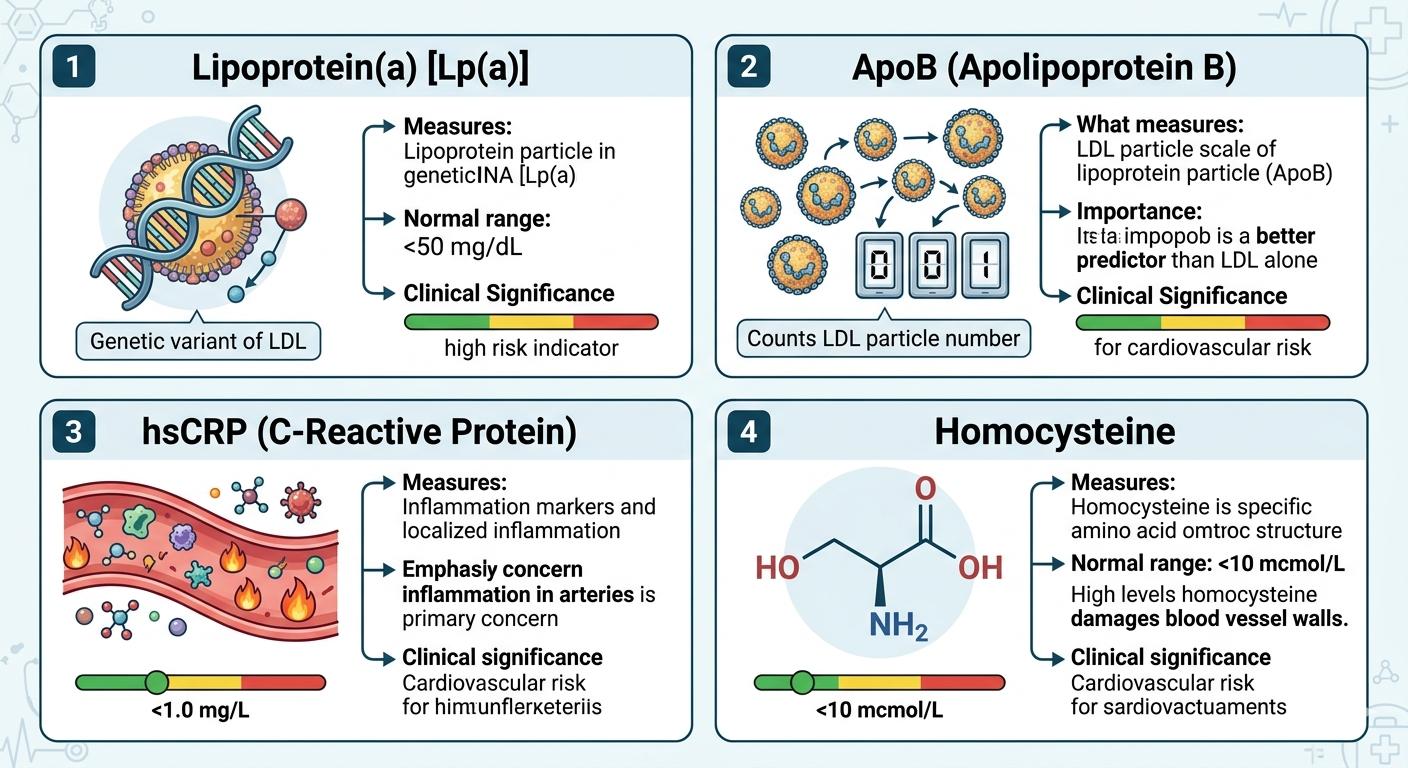
Advanced Lipid & Biomarker Testing
These markers allow us to better identify patients at elevated risk even when standard cholesterol levels appear “normal” and help guide more personalized, risk-based therapy.
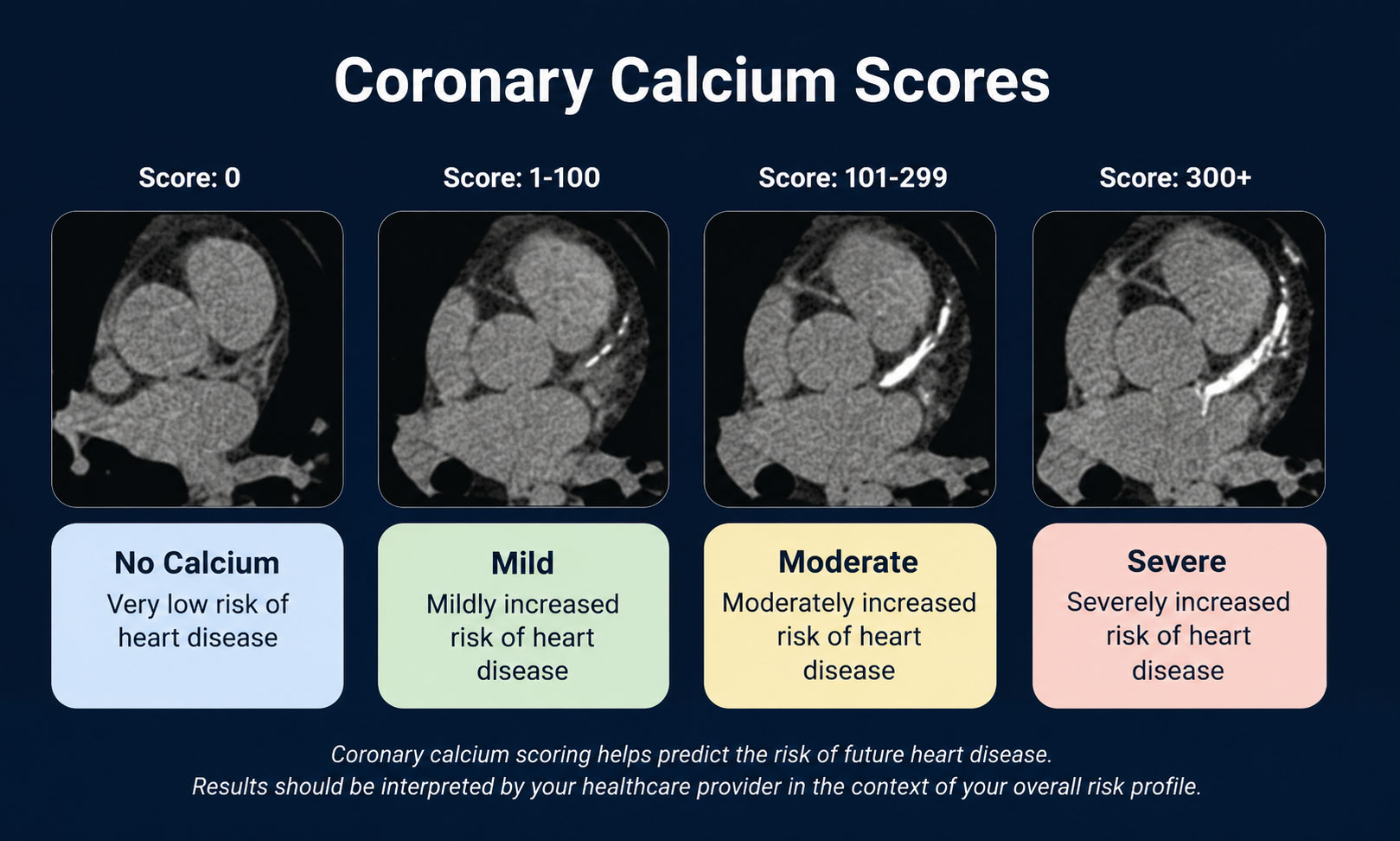
Coronary Artery Calcium (CAC) Scoring
Coronary calcium scoring is a powerful, noninvasive tool to detect subclinical coronary artery disease. CAC scoring helps:
Personalized Lipid-Lowering Therapy
Our goal is not just to meet guideline thresholds, but to achieve optimal and sustained cardiovascular risk reduction for each patient.

Lifestyle-Focused Cardiovascular Prevention
Lifestyle modification remains the foundation of cardiovascular prevention and is recommended for all patients regardless of risk level

Ongoing Monitoring & Long-Term Care
Preventive cardiology is a long-term partnership. We provide:

Who Should Consider Preventive Cardiology?
- Patients with a family history of premature heart disease
- Individuals with elevated cholesterol or Lipoprotein(a)
- Patients with diabetes, hypertension, or metabolic syndrome
- Patients seeking proactive cardiovascular risk reduction
- Those with abnormal coronary calcium scores or early atherosclerosis
Our Philosophy

Frequently Asked Questions
Do I need a statin?
What is Lipoprotein(a) [Lp(a)]?
Lipoprotein(a), or Lp(a), is a genetically determined cholesterol particle that increases the risk of heart attack, stroke, and aortic valve disease. It is considered a risk-enhancing factor in ACC/AHA guidelines and is typically measured once in a lifetime, especially in patients with a family history of early cardiovascular disease.
What cholesterol levels should I aim for?
- LDL-C <70 mg/dL is recommended for patients with known cardiovascular disease
- A ≥50% reduction in LDL-C is recommended for high-risk patients. Treatment goals are individualized to achieve optimal cardiovascular risk reduction.
- In some patients with a more aggressive reduction with LDL-C<55 mg/dL may be recommended
Therapy is individualized to achieve the greatest reduction in cardiovascular risk.
What is coronary artery calcium (CAC) scoring?
Can lifestyle changes replace cholesterol medication?
What if I cannot tolerate statins?
What is Apolipoprotein B (ApoB)?
ApoB reflects the number of atherogenic lipoprotein particles in the blood. Elevated ApoB is associated with increased cardiovascular risk, even when LDL-C levels appear controlled. It is considered a risk-enhancing marker in certain patients.
How often should cholesterol be checked?
- At baseline
- 4–12 weeks after starting or adjusting therapy
- Every 6–12 months once stable
Monitoring frequency depends on individual risk and treatment plan.
Who should see a preventive cardiologist?
Should I check my Lp(a) level?
Take Control of Your Heart Health Today – Request Appointment

Request Appointment

Have any Questions?
Send Us A Message

Call Us
(949) 770-6252
What Our Patients Say
– Dan
– Khatereh