Our Services

Electrophysiology (EP)

Our electrophysiology program provides comprehensive evaluation and management of cardiac rhythm disorders, utilizing advanced diagnostic tools, catheter-based therapies, and device-based treatments. Care is tailored to each patient with a focus on precision diagnosis, guideline-directed therapy, and long-term rhythm management.

We offer advanced ablation technologies, including pulsed field ablation (PFA), representing the next generation of atrial fibrillation treatment.
Cardiac Arrhythmia Evaluation & Management

Comprehensive arrhythmia consultation
Evaluation of syncope and unexplained palpitations
Risk stratification for sudden cardiac death
Assessment of inherited arrhythmia syndromes (e.g., long QT, Brugada, CPVT)
Post-ablation and post-device follow-up care

Diagnostic Electrophysiology Procedures

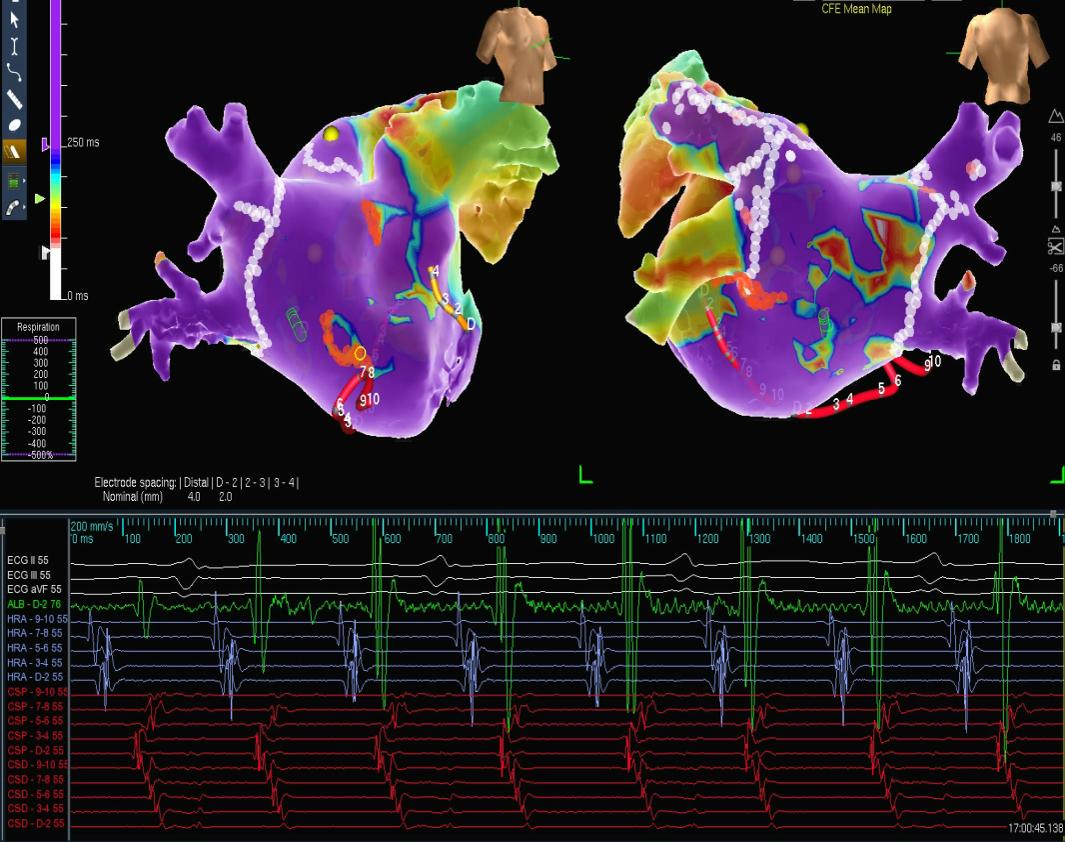
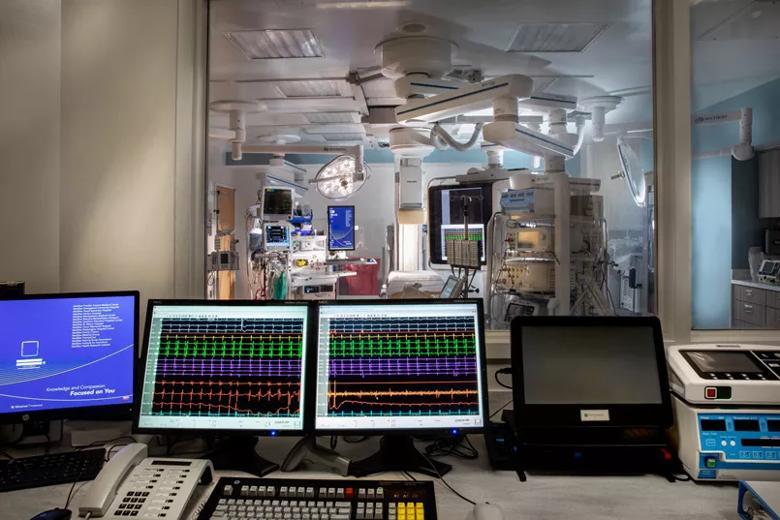
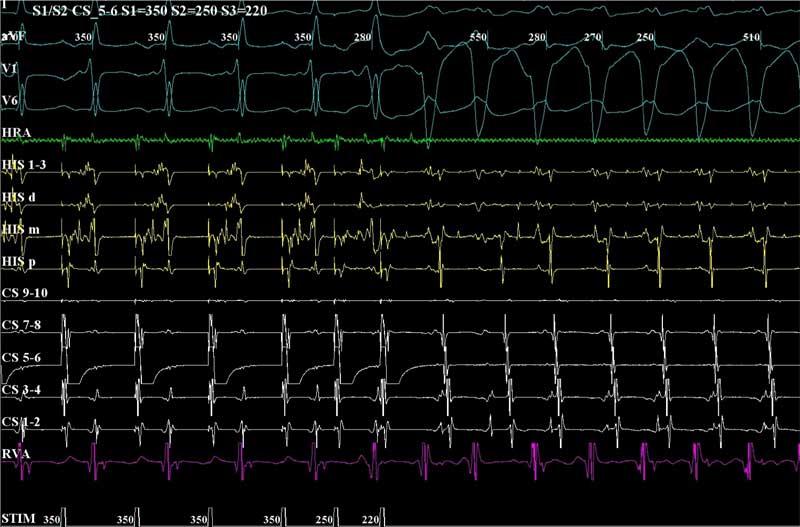
Invasive electrophysiology (EP) study
Tilt table testing
Pharmacologic provocation testing (e.g., drug challenge for channelopathies)

These studies allow for precise diagnosis of arrhythmia mechanisms, guiding targeted therapy.
Cardiac Implantable Electronic Devices (CIEDs)

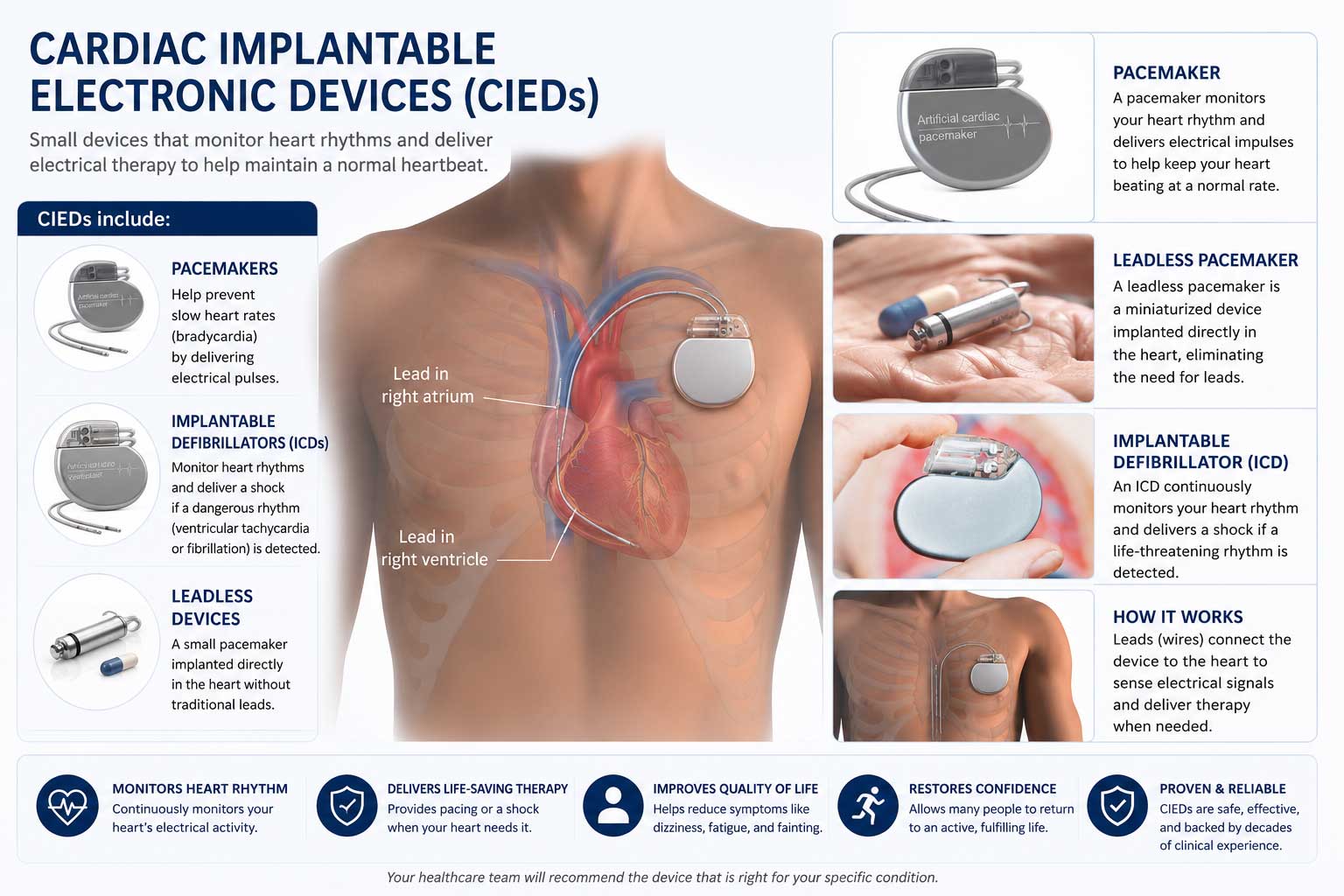
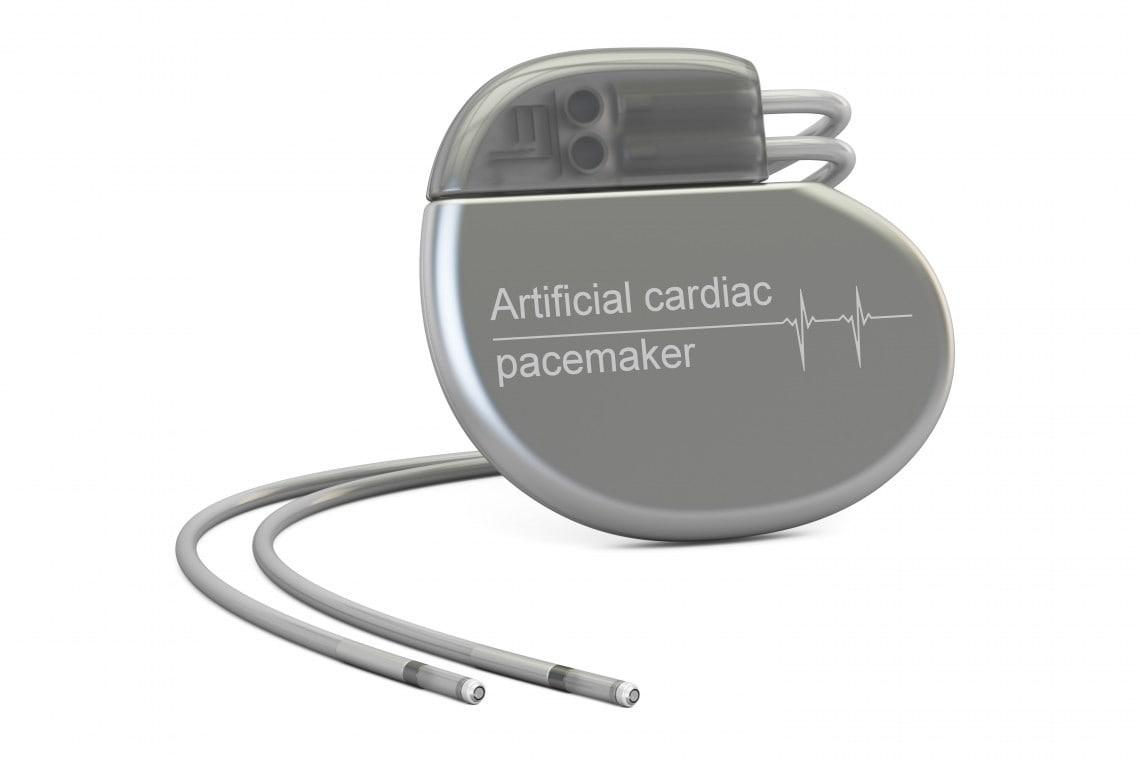
Pacemakers

Single-chamber pacemaker implantation
Dual-chamber pacemaker implantation
Leadless pacemaker implantation
Pacemaker generator replacement

Implantable Cardioverter-Defibrillators (ICDs)

Single-chamber ICD implantation
Dual-chamber ICD implantation
Subcutaneous ICD (S-ICD) implantation
ICD generator replacement

Cardiac Resynchronization Therapy

CRT-P (biventricular pacemaker)
CRT-D (biventricular ICD)
These therapies improve symptoms, ventricular function, and outcomes in appropriately selected patients with heart failure and conduction disease.

Conduction System & Physiologic Pacing

His-bundle pacing
Left bundle branch area pacing (LBBAP)

Physiologic pacing strategies aim to preserve normal ventricular activation, reducing the risk of pacing-induced cardiomyopathy and improving long-term cardiac function.
Implantable & Ambulatory Rhythm Monitoring

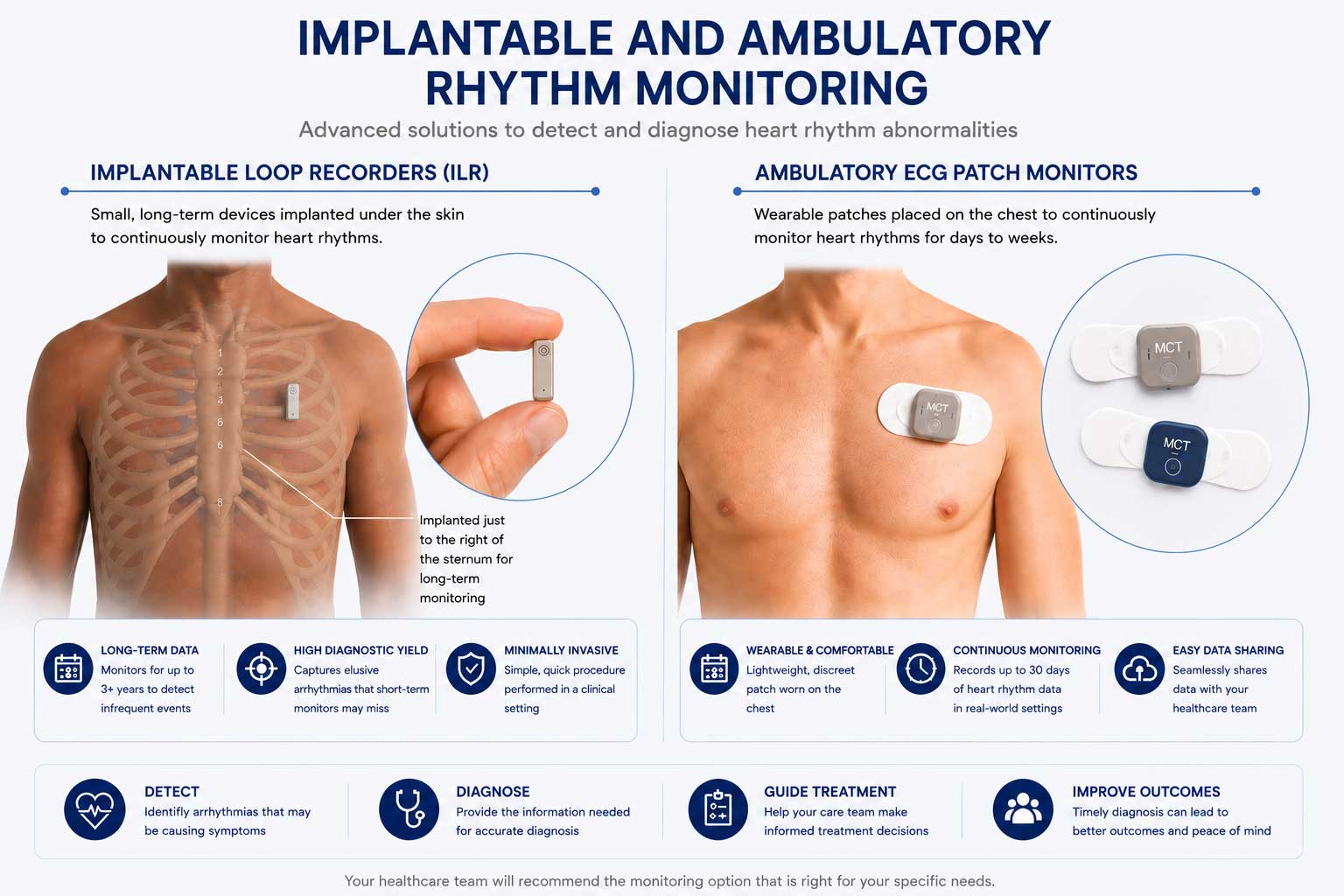
Implantable Loop Recorder (ILR) implantation
Holter monitoring (24–48 hour)
Extended ambulatory monitoring (patch/event monitors)
Remote device and rhythm monitoring

These technologies enable long-term rhythm surveillance and improve detection of intermittent or asymptomatic arrhythmias.
Catheter Ablation Procedures

Supraventricular Arrhythmias

Atrioventricular nodal reentrant tachycardia (AVNRT) ablation
Atrioventricular reentrant tachycardia (AVRT) / WPW ablation
Atrial tachycardia ablation
Typical and atypical atrial flutter ablation

Atrial Fibrillation

Pulmonary vein isolation (PVI)
Ablation for persistent and long-standing persistent atrial fibrillation
Posterior wall isolation
Linear ablation strategies (roof line, mitral isthmus)
Redo atrial fibrillation ablation
Pulsed Field Ablation (PFA)
  • Pulsed Field Ablation (PFA) is an advanced, non-thermal ablation technology that uses high-energy electrical fields (electroporation) to selectively target cardiac tissue responsible for atrial fibrillation while minimizing injury to surrounding structures such as the esophagus, phrenic nerve, and pulmonary veins.
  • PFA offers:
    • Tissue-selective ablation with reduced collateral damage
    • Shorter procedure times in many cases
    • Potentially improved safety profile compared to traditional thermal ablation (radiofrequency or cryoablation)
    • Rapidly evolving evidence supporting its use in atrial fibrillation treatment
This technology represents the next generation of atrial fibrillation ablation and is incorporated into our approach for appropriately selected patients.

Ventricular Arrhythmias

Ventricular tachycardia (VT) ablation
Premature ventricular contraction (PVC) ablation
Epicardial VT ablation (selected cases)

Catheter ablation offers definitive treatment for many arrhythmias, improving symptoms, reducing arrhythmia burden, and in selected cases improving survival.
Lead & Device Management

Transvenous lead extraction
Lead revision and repositioning
Device upgrade and downgrade procedures
Pocket revision and infection management

Stroke Prevention in AF (EP-Related)
Periprocedural anticoagulation management
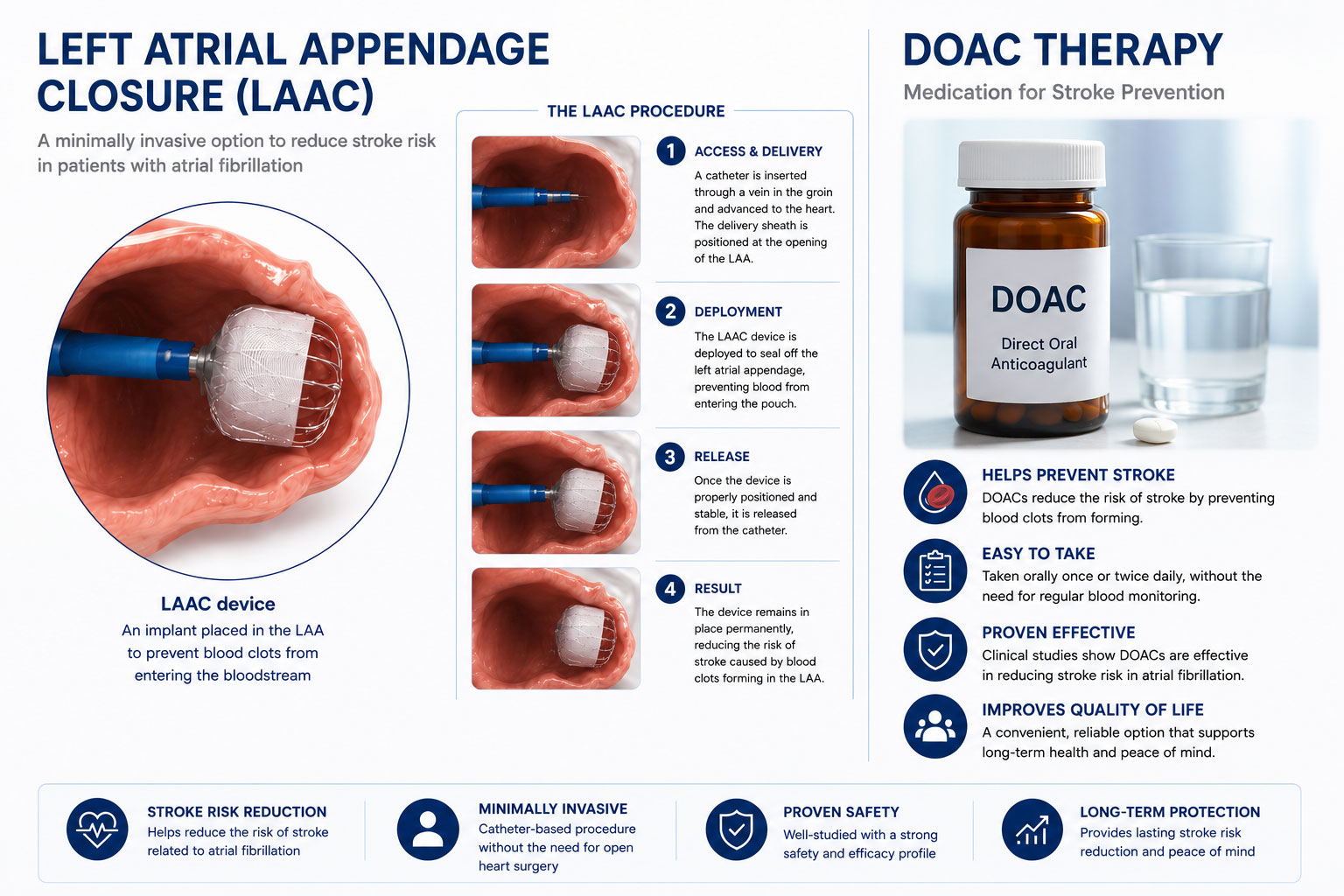
Referral and coordination for left atrial appendage occlusion (LAAO)

Advanced & Adjunctive EP Services

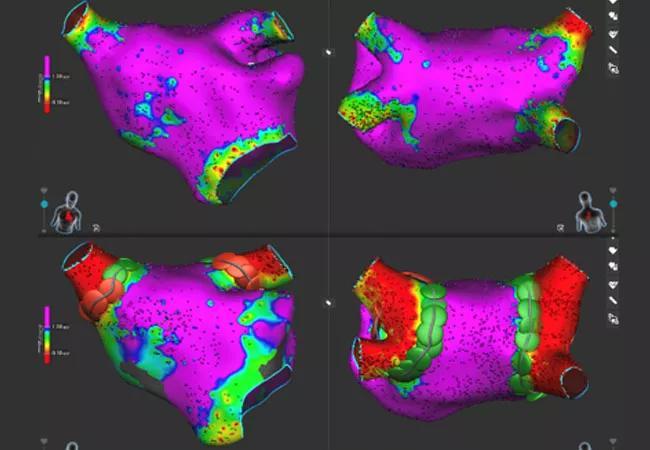
3D electroanatomic mapping
Intracardiac echocardiography (ICE)–guided EP procedures
Epicardial access techniques
Complex redo and high-risk ablation cases

Frequently Asked Questions

Electrophysiology (EP) – FAQs

What is an electrophysiology (EP) study?
An EP study is a minimally invasive procedure used to evaluate the electrical system of the heart. It helps identify the source of abnormal heart rhythms and guides treatment decisions, including catheter ablation.
What is catheter ablation?
Catheter ablation is a procedure that uses heat (radiofrequency) or cold (cryoablation) energy to eliminate abnormal electrical pathways in the heart. It is often used to treat atrial fibrillation, supraventricular tachycardia, and certain ventricular arrhythmias.
When should atrial fibrillation be treated with ablation?
Ablation is considered in patients with symptomatic atrial fibrillation, particularly when medications are ineffective or not well tolerated. Current guidelines support ablation as an effective therapy to improve symptoms and quality of life.
What is a pacemaker and when is it needed?
A pacemaker is a small device implanted to regulate slow or irregular heart rhythms. It is typically recommended for patients with symptomatic bradycardia or conduction system disease.
What is the difference between a pacemaker and a defibrillator (ICD)?
A pacemaker treats slow heart rhythms, while an implantable cardioverter-defibrillator (ICD) can detect and treat life-threatening fast arrhythmias by delivering a shock when needed.
What is an implantable loop recorder (ILR)?
An ILR is a small device implanted under the skin that continuously monitors heart rhythm for extended periods. It is useful for diagnosing infrequent arrhythmias, unexplained syncope, or detecting atrial fibrillation after stroke.
Are EP procedures safe?
Electrophysiology procedures are routinely performed and generally safe. Risks vary depending on the specific procedure and patient factors. Your electrophysiologist will review risks and benefits in detail prior to treatment.
What is pulsed field ablation (PFA)?
Pulsed field ablation (PFA) is a newer ablation technique that uses electrical energy rather than heat or cold to treat atrial fibrillation. It is designed to selectively target heart tissue while minimizing damage to surrounding structures, and is emerging as a promising advancement in AF treatment.

Take Control of Your Heart Health Today – Request Appointment

Early detection and personalized care are key to maintaining a healthy heart. Speak with a board-certified cardiologist and receive expert care tailored to your heart’s needs.

Request Appointment

Have any Questions?

Send Us A Message

What Our Patients Say

Testimonials

BEEN Seeing Dr. MASTERS for over 40 years. I trust him with my life. He’s honest & forthright, cares, & really listens & communicates! And he’s a good friend as well as my cardiologist. So it doesn’t get any better than that in this age of slam bam thank you mam medicine.

– Dan

Dr. John Nader Bahadorani is an exceptional doctor! His professionalism, compassion, and expertise make him a standout in his field. I highly recommend him to anyone seeking top-notch care. His dedication to his patients is truly impressive.

– Khatereh