
Our Services
Cardiac catheterization and percutaneous coronary intervention (PCI) are performed to diagnose and treat coronary artery disease using minimally invasive, catheter-based techniques.
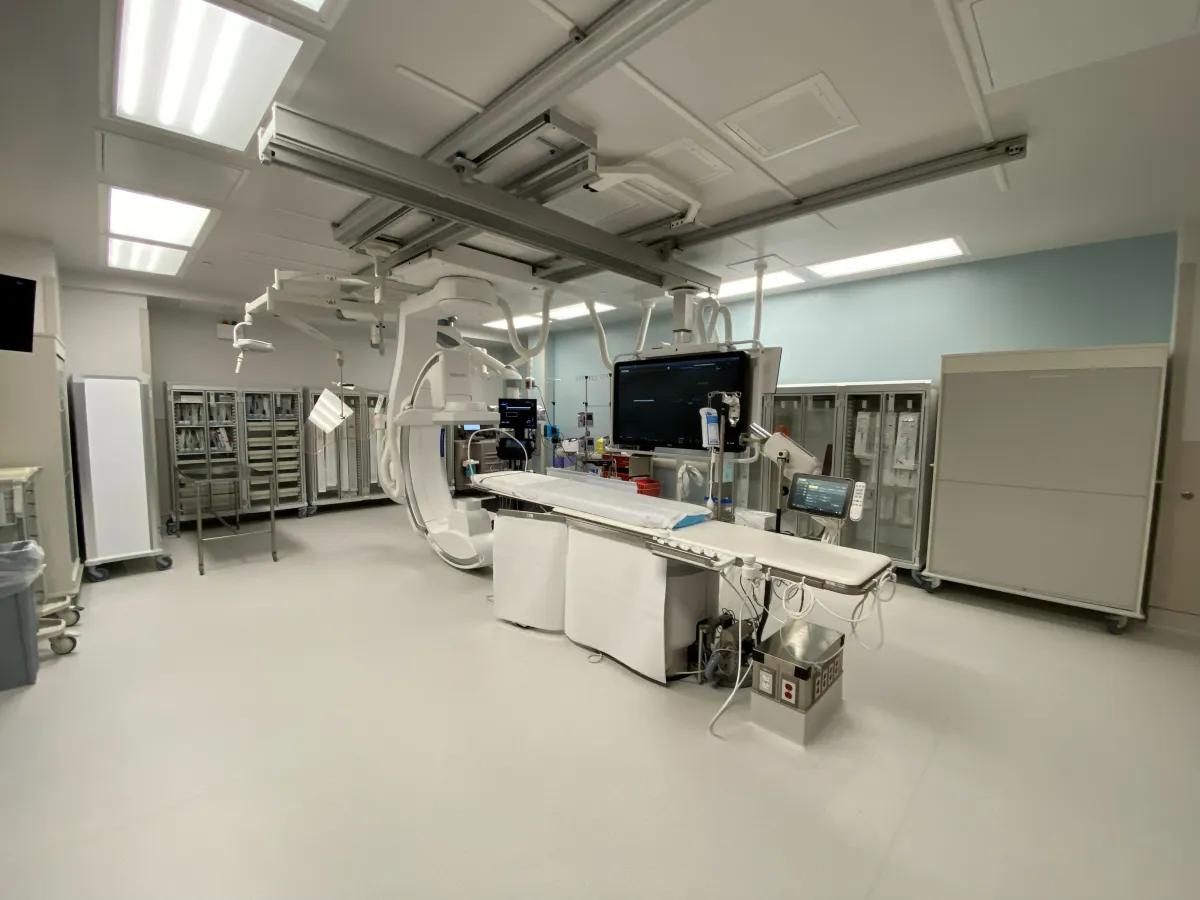
Our interventional cardiologists perform procedures in accredited hospital-based cardiac catheterization laboratories, adhering to national quality, safety, and appropriateness standards.
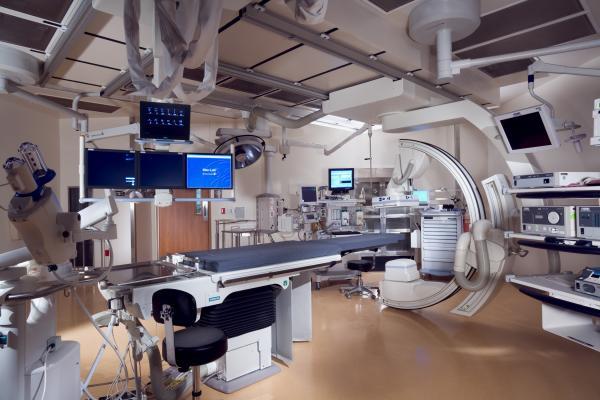
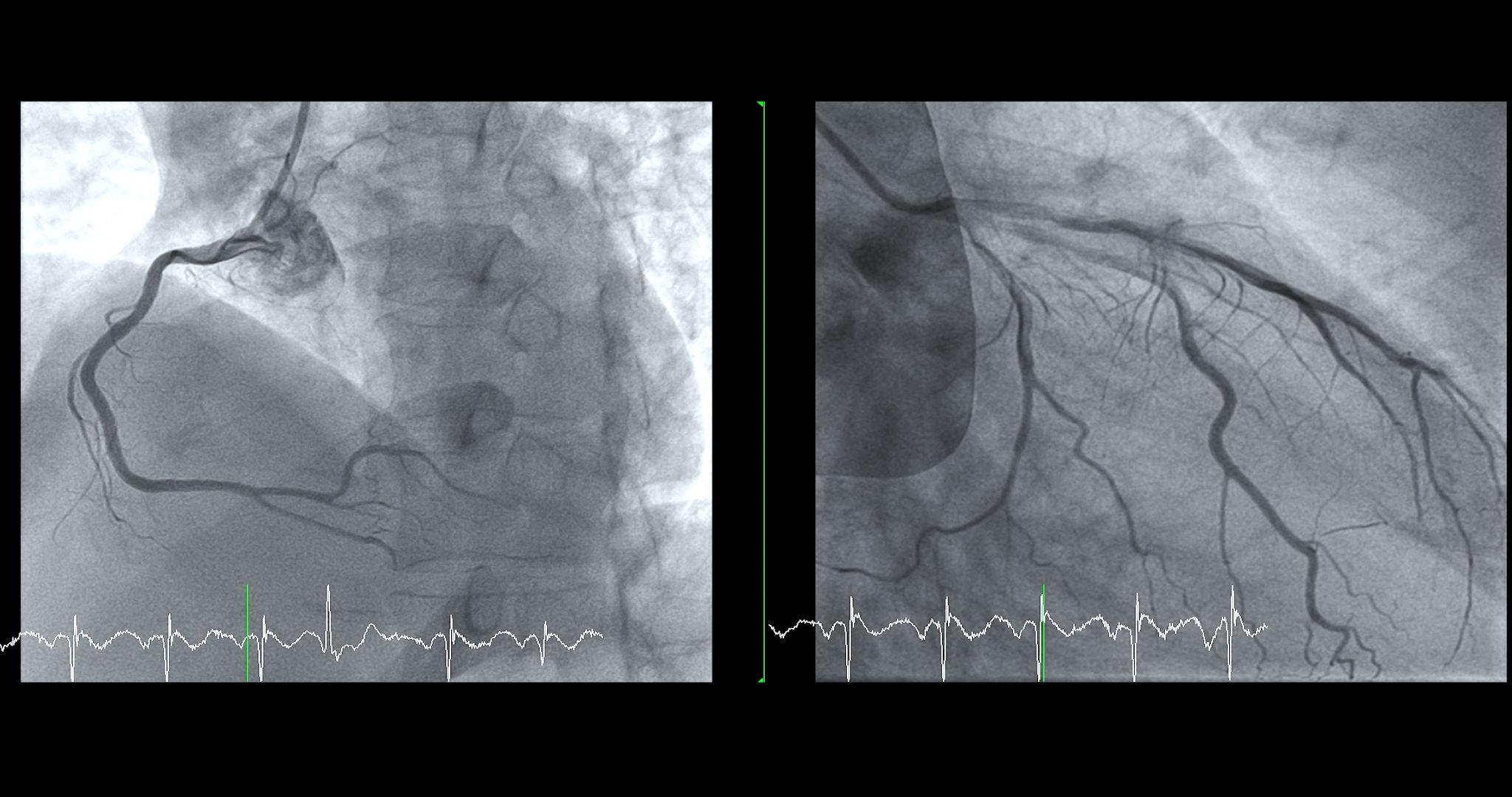
Diagnostic Cardiac Catheterization
Diagnostic catheterization provides definitive evaluation of coronary anatomy and intracardiac pressures when noninvasive testing is inconclusive or when high-risk clinical features are present.
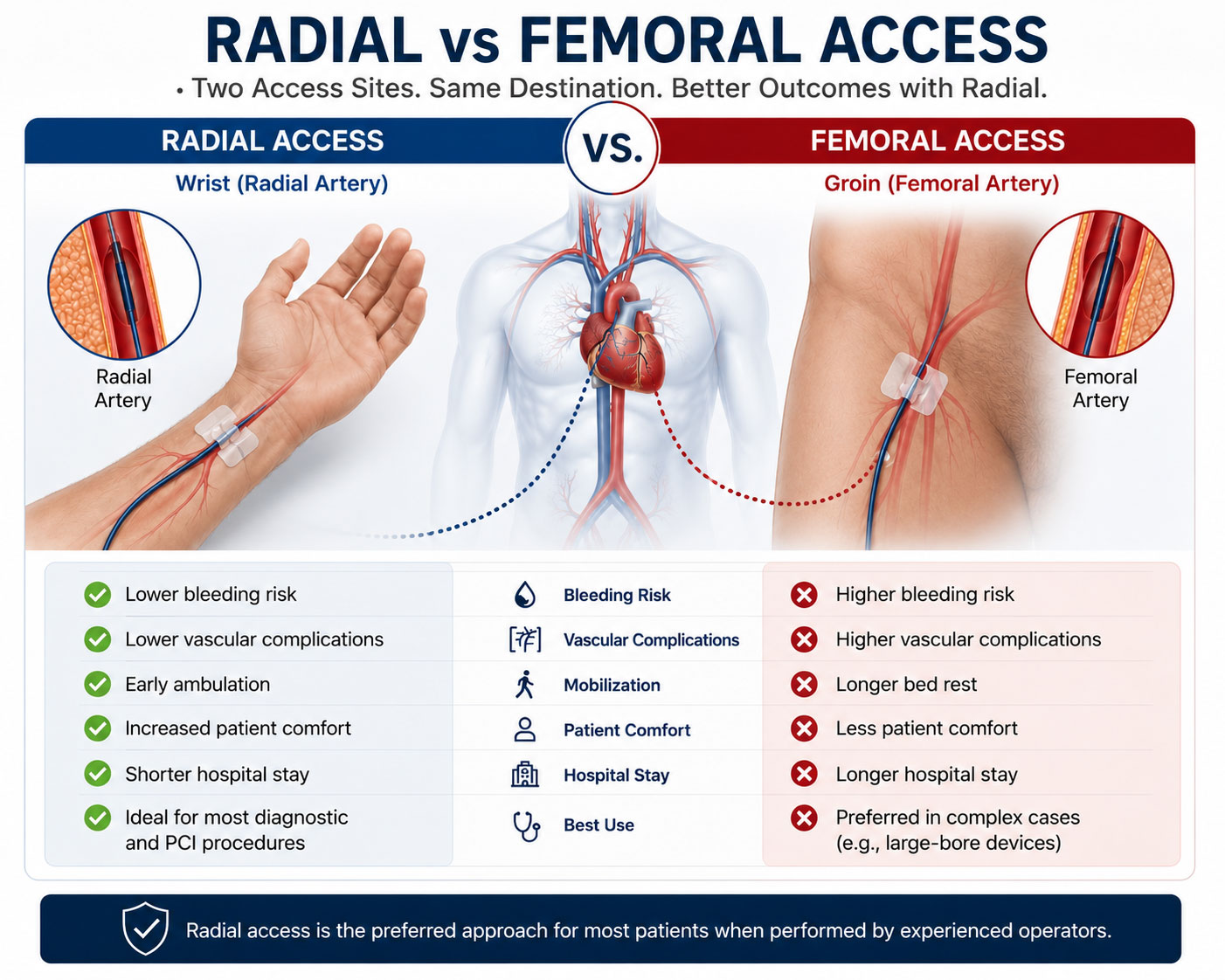
Radial (Wrist) vs Femoral (Groin) Access
Radial Access (Wrist)
Femoral Access (Groin)
Our interventional cardiologists select the access approach based on patient anatomy, procedural complexity, and safety considerations, ensuring optimal outcomes while minimizing risk.
Percutaneous Coronary Intervention (PCI)
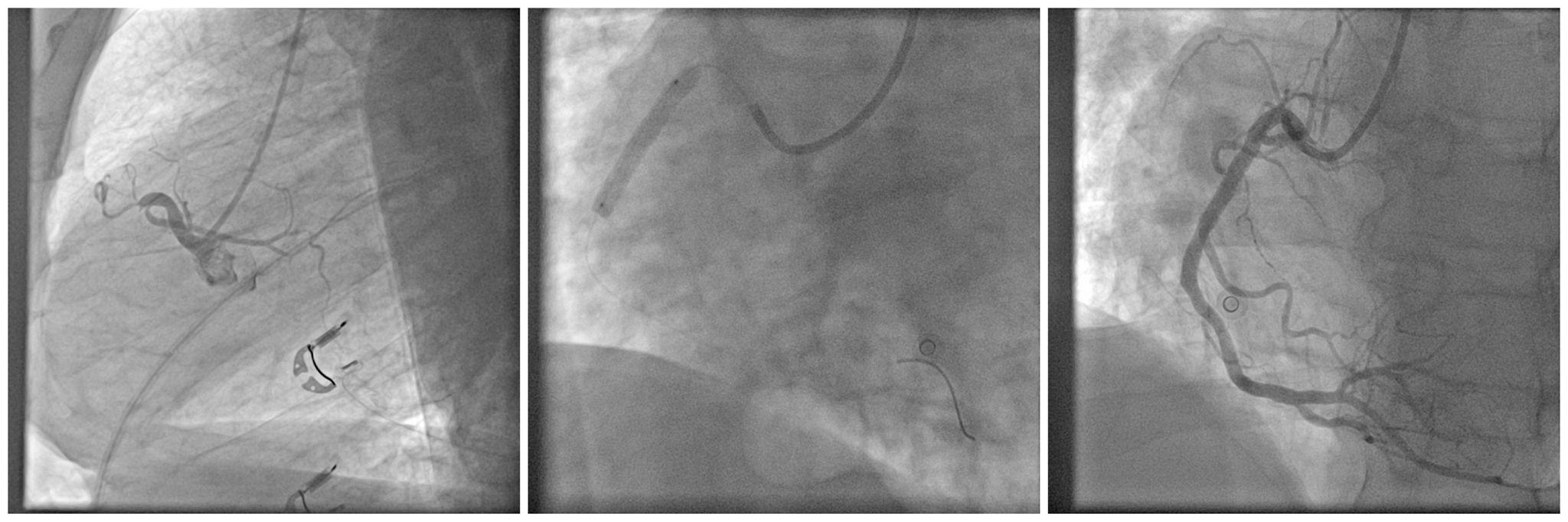
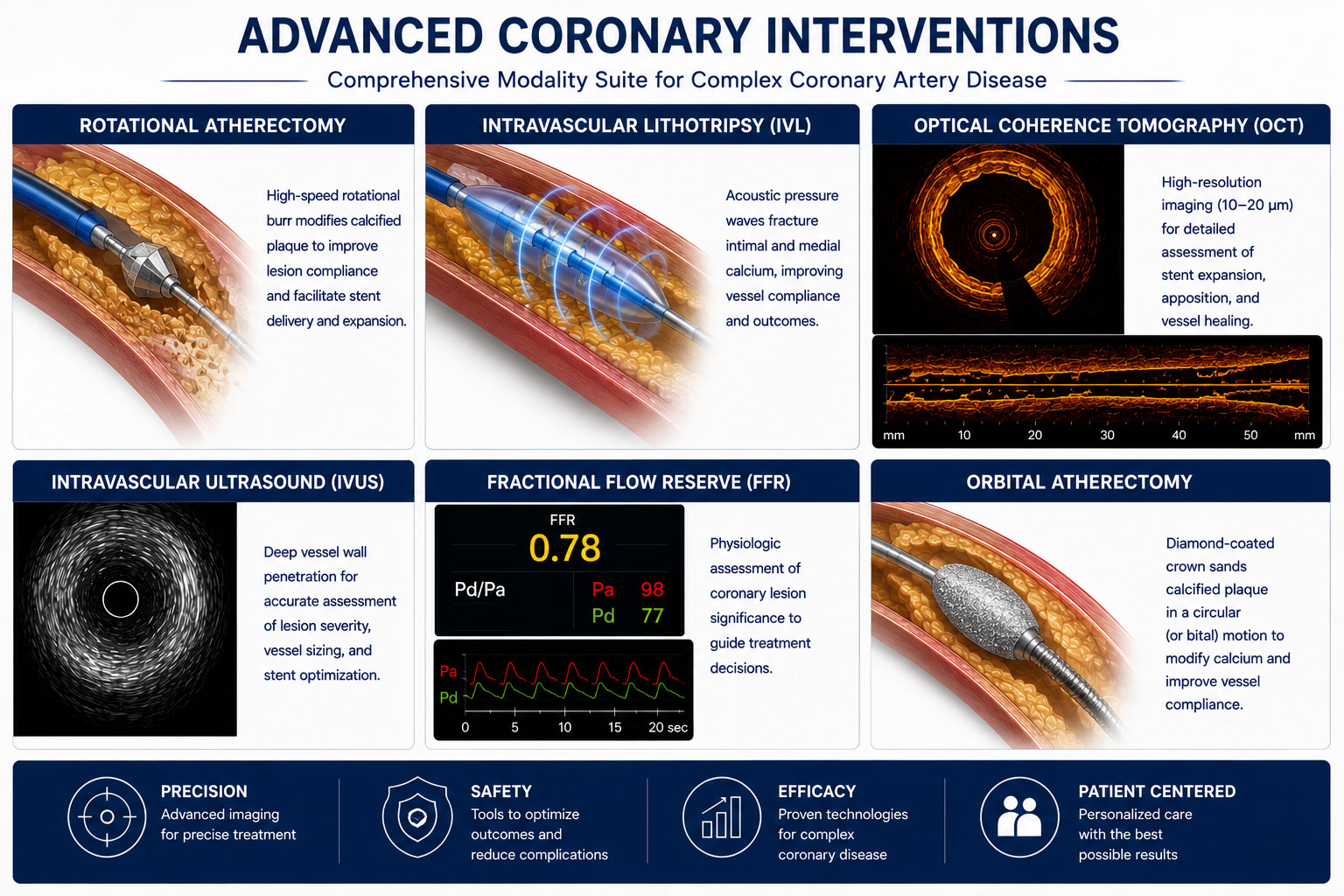
Advanced PCI Techniques
Acute & Complex Coronary Care
Post-Procedure Care & Long-Term Management

Who May Benefit From Catheterization or PCI?
- Patients with abnormal stress or imaging studies
- Individuals with angina or equivalent symptoms
- Patients presenting with acute coronary syndromes
- Patients with high-risk coronary anatomy or persistent symptoms despite medical therapy
Quality, Safety & Guidelines
- ACC/AHA/SCAI guidelines
- National quality metrics and appropriate use criteria
- Shared decision-making and informed consent standards
Frequently Asked Questions
What is cardiac catheterization?
What is a coronary stent?
When do I need a cardiac catheterization?
Is PCI the same as open-heart surgery?
How long does recovery take after PCI?
Are these procedures safe?
Take Control of Your Heart Health Today – Request Appointment

Request Appointment

Have any Questions?
Send Us A Message

Call Us
(949) 770-6252
What Our Patients Say
– Dan
– Khatereh