
Expert Cardiac Imaging You Can Trust
Advanced cardiac imaging allows us to diagnose heart disease accurately, noninvasively, and at an early stage, guiding both preventive and interventional care.
At South Orange County Cardiology Group, we offer a full spectrum of evidence-based cardiac imaging modalities, interpreted by board-certified cardiologists with expertise in cardiovascular diagnostics and risk stratification.
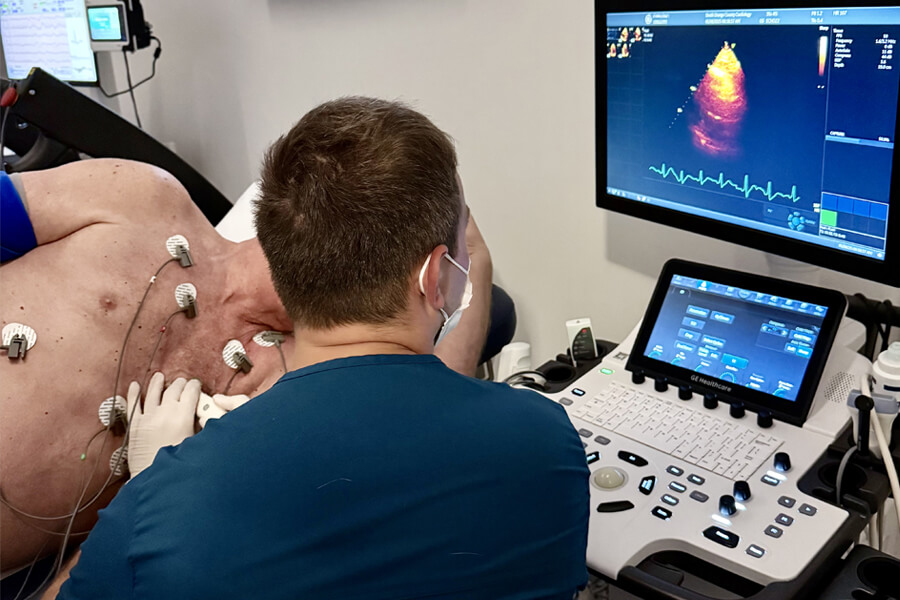
Echocardiography
Echocardiography provides real-time assessment of cardiac structure, ventricular function, valvular disease, and hemodynamics, and remains foundational to guideline-directed cardiovascular evaluation and management.
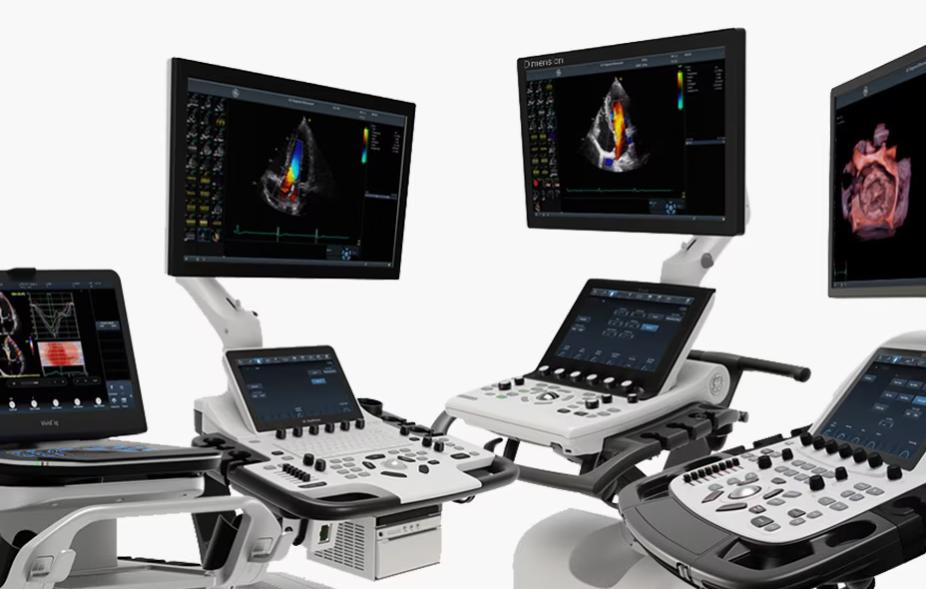
Nuclear Cardiology
Nuclear imaging evaluates myocardial ischemia, prior infarction, and myocardial viability, and is particularly useful in patients with known or suspected coronary artery disease. It plays a key role in risk stratification and clinical decision-making.
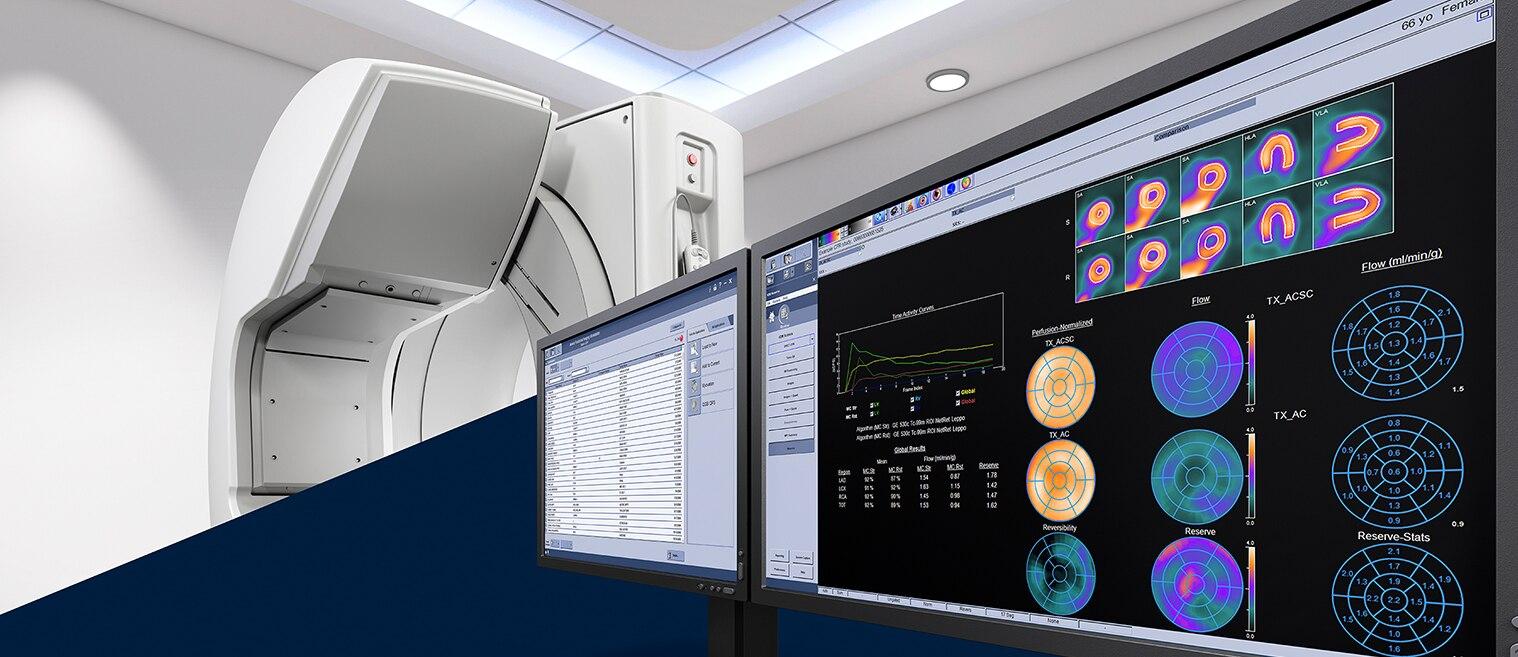
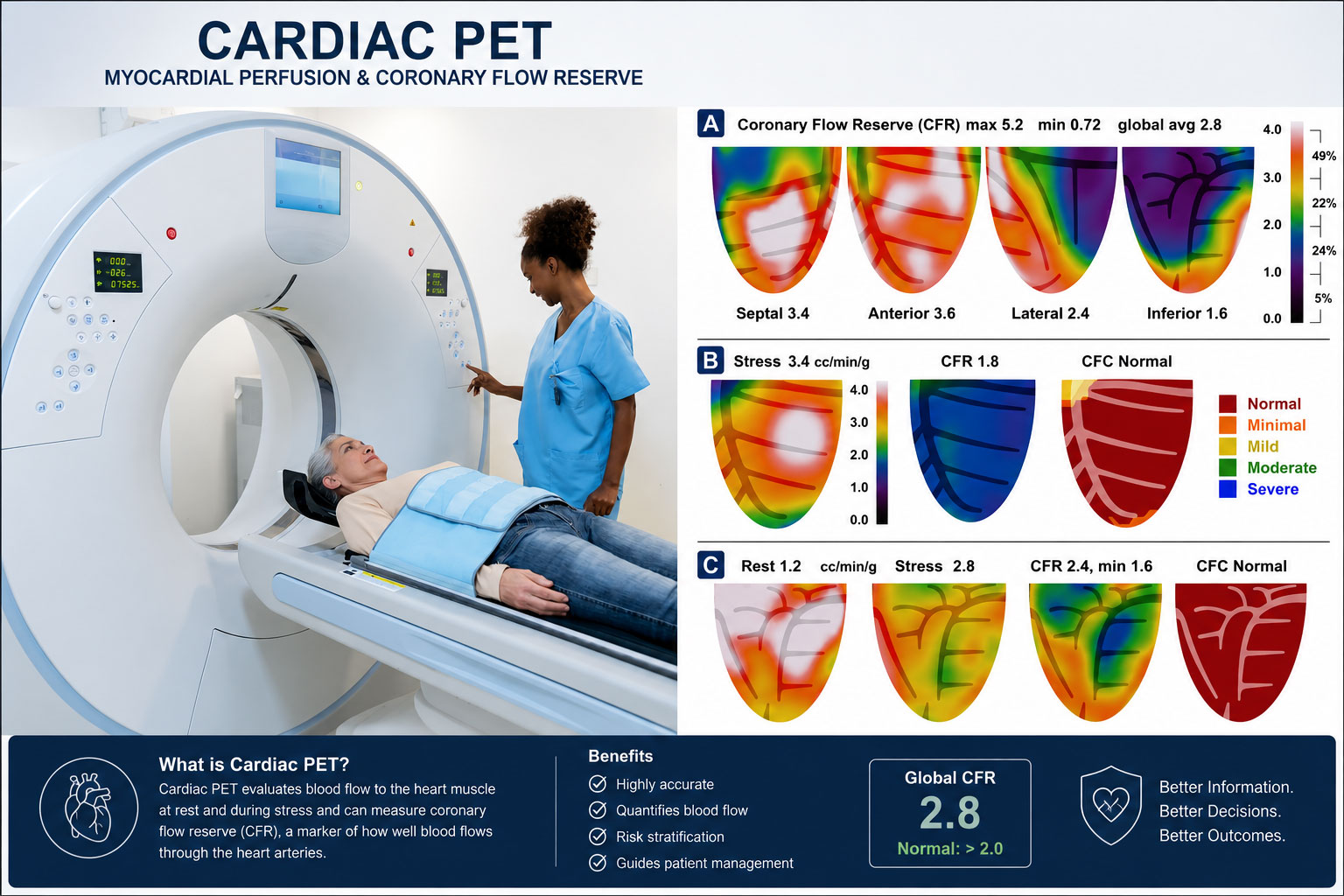
Cardiac PET Imaging
Cardiac PET provides superior diagnostic accuracy and lower radiation exposure compared to traditional SPECT imaging. It allows for quantitative assessment of myocardial blood flow and is particularly valuable in patients with multivessel disease, microvascular dysfunction, or equivocal prior testing.
Cardiac PET imaging represents one of the most advanced noninvasive tools for detecting coronary artery disease and is a key differentiator of our imaging program.
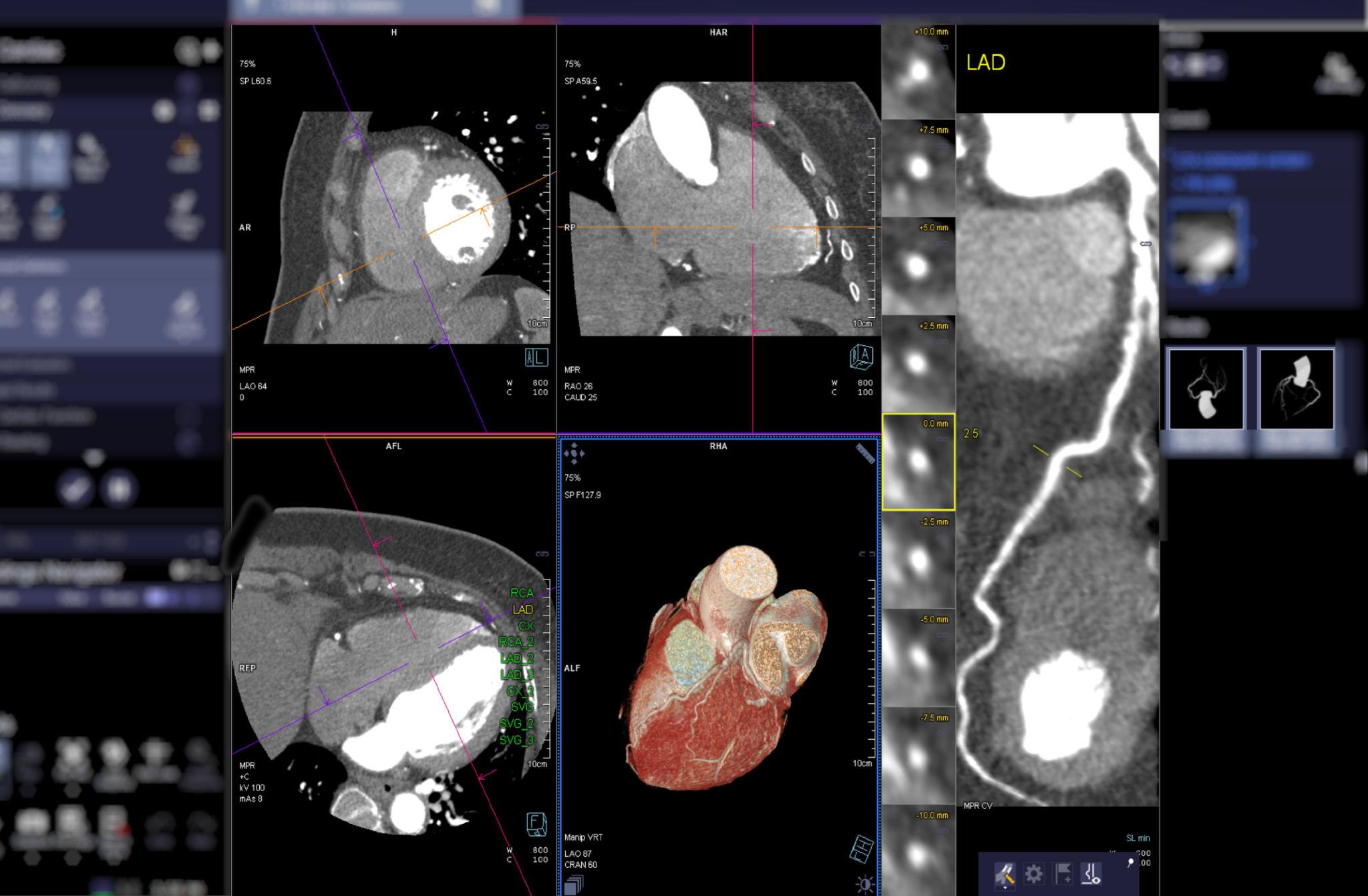
Cardiac CT Angiography (CCTA)
CCTA is a noninvasive method for assessing coronary artery disease and is particularly useful in patients with chest pain and low-to-intermediate pretest probability.
Our cardiologists determine the appropriateness of testing, coordinate the study, and personally interpret the results in the context of each patient’s overall clinical profile, ensuring continuity of care.
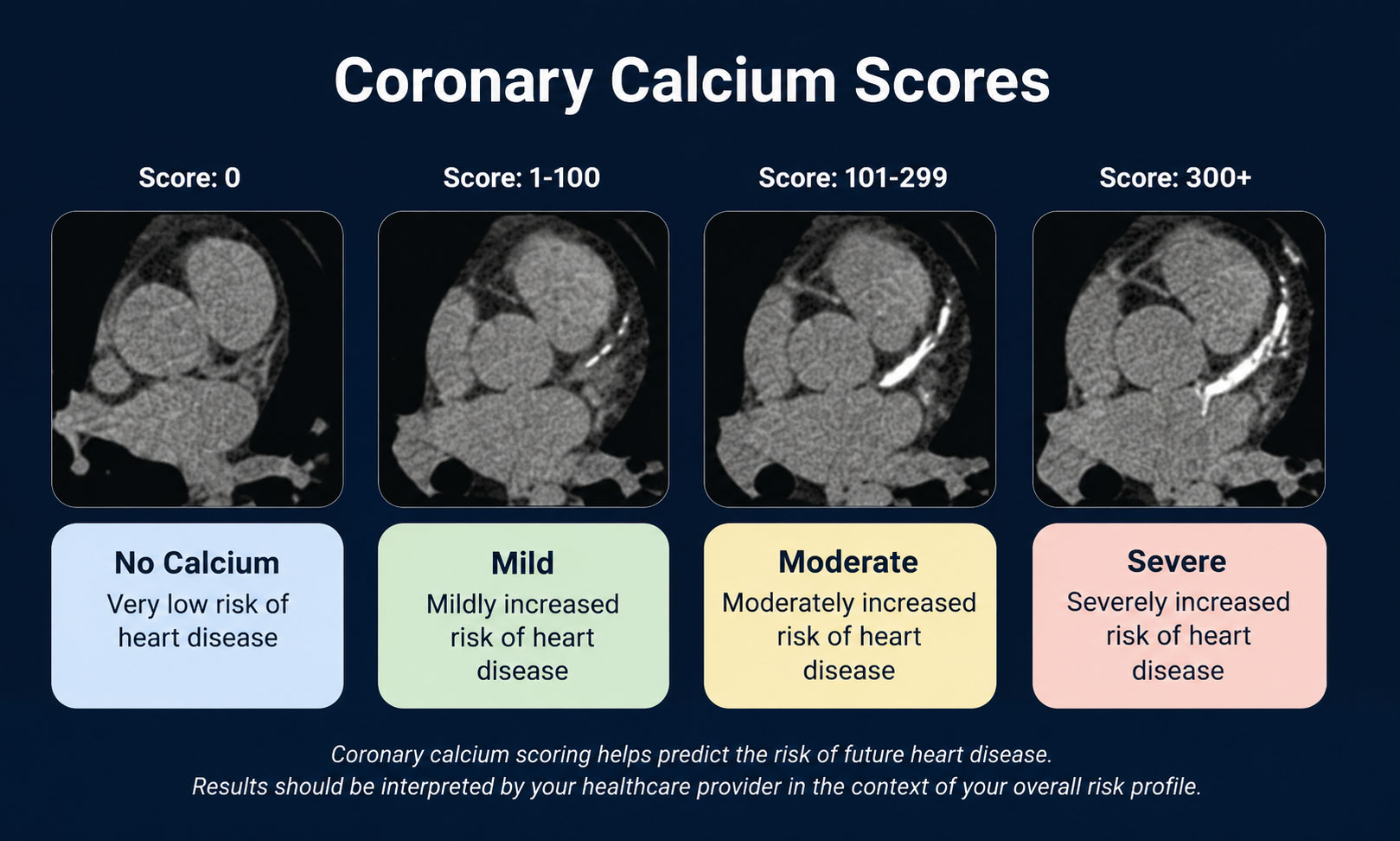
Coronary Artery Calcium (CAC) Scoring
CAC scoring identifies subclinical coronary atherosclerosis and is endorsed by ACC/AHA guidelines to refine cardiovascular risk assessment. It is particularly useful in guiding decisions regarding statin therapy and preventive strategies in intermediate-risk patients.
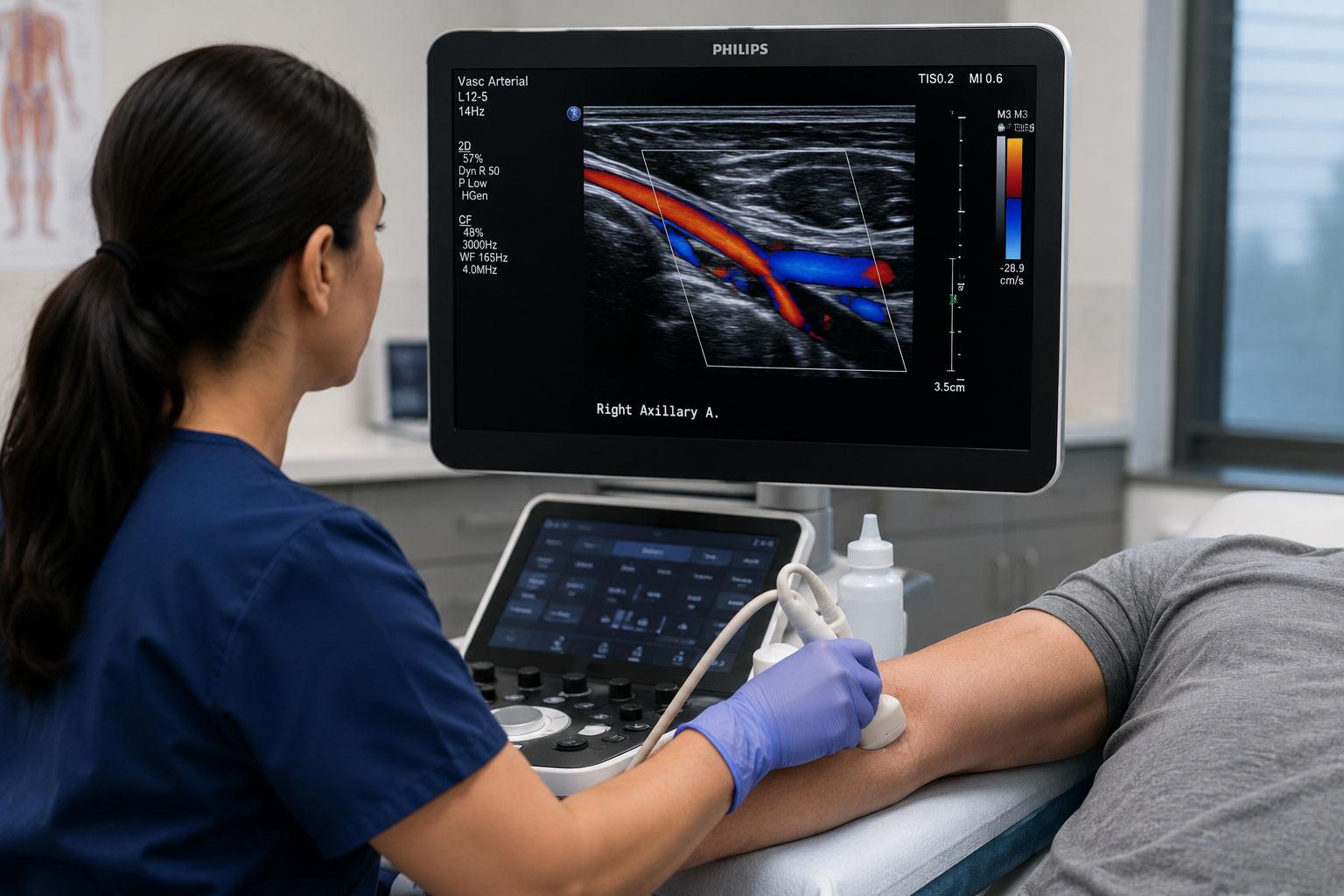
Vascular & Ancillary Imaging
These studies evaluate peripheral vascular disease, cerebrovascular risk, and systemic atherosclerosis, providing a more comprehensive assessment of cardiovascular health.
Why Cardiac Imaging Matters
- Improves diagnostic accuracy and early disease detection
- Reduces unnecessary invasive testing
- Guides preventive, medical, and interventional therapy
- Enhances patient understanding and shared decision-making
- Enables individualized, risk-based treatment planning
Frequently Asked Questions
What is the difference between a stress test and a cardiac imaging test?
What is the difference between PET and SPECT imaging?
What is coronary artery calcium (CAC) scoring?
What is a cardiac CT angiogram (CCTA)?
Is cardiac imaging safe?
How do I know which test I need?
Take Control of Your Heart Health Today – Request Appointment

Request Appointment

Have any Questions?
Send Us A Message

Call Us
(949) 770-6252
What Our Patients Say
– Dan
– Khatereh